


The workforce data playbook:
Cut costs, boost performance


Powering your extended workforce with better data
Extended workforces are becoming more mainstream thanks to their ability to give organisations flexibility, agility and access to instant expertise. It’s this adaptability which is also giving talent teams a headache when it comes to having a 360 degree view of their full contingent workforce. Multiple types of contract, a variety of internal stakeholders and disparate functional teams often mean a clear understanding of the scale and capability of this type of talent is difficult to understand.
But there is a better way.
Organisations who centralise workforce intelligence and build a solid data foundation are reporting a more robust understanding of skills gaps and capabilities, improved candidate and hiring manager experiences, as well as reducing costs.
The future?
An extended workforce strategy powered by AI and analytics driven by data put at the fingertips of the talent team.
And the journey to get there may be easier than you think.


Five steps to smarter decision-making with better intelligence


Define the outcomes you are trying to drive with your data. Do you have a particular skills gap which needs addressing or is it simply taking too long to find the right talent? Is reducing cost a key driver?

Agree the key data points which align to your outcomes. For example, if cost reduction is a primary objective, factors such as rates, assignment expenditures, and project completion time will play a defining role.

Recruitment and onboarding data is equally important to this process and can identify areas for improvement in your process. Number of CV’s per req, interview volume, time to offer, are all key areas to understand to optimise the performance of your extended worker strategy.

Define your parameters for continuous measurement enabling teams to report against specific SLA’s and outcomes. Manage costs and deliver improved value by understanding how your strategy is performing.

Benchmark against broader industry parameters. AMS’s deep partnerships across industries and categories, means we have access to a wealth of data. We show our clients how they compare from an efficiency and cost perspective in their industry – completely anonymised of course.
Josh Bersin Company research shows most businesses don’t have a clear view of their total contingent workforce, estimating between 10-40% but lacking real-time accuracy.


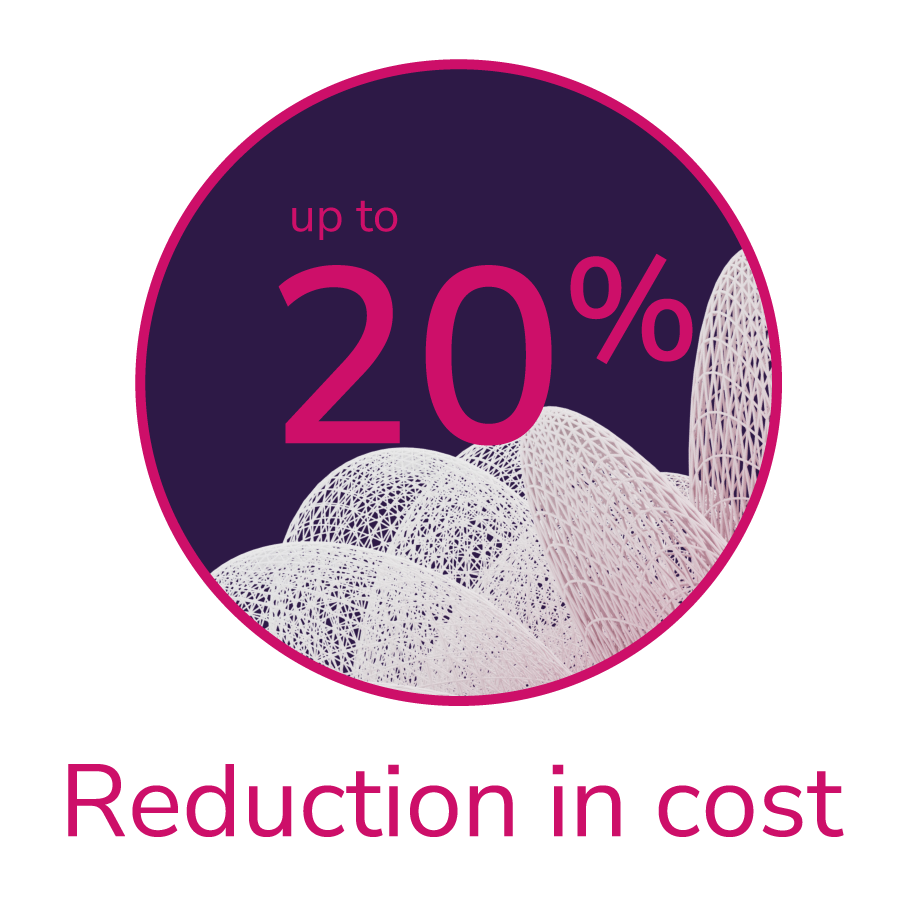
Better data can drive cost reductions of up to 20%
In a recent analysis of one client, comparing common job types across Managed Service Provider (MSP) and Statement of Work (SoW) populations, we found that when the same skill set was delivered through a 1-to-1 SoW engagement (one worker per SoW), the cost was approximately 20% higher than engaging the same worker via an MSP.
The reason? SoW engagements often lacked the same level of scrutiny applied to MSP rate cards and supplier terms—leading to inflated costs for identical work.

Five steps to bridging skills gap with extended workforce data
The extended workforce is a core part of organisational success and having access to key skills in this market is critical for future growth and planning. To maximise the potential at their fingertips, better data management can help map the skills you need to the skills you already have access to in your contingent population.
Consolidate all labour-based data into one data lake to assess skills gaps.

Use AI tools to group data across all engagement types.

Manage labour cost bases and workforce planning by deploying robust recruit-train-deploy progammes to have price competitive talent ready for when you need it.
Re-skill existing populations, with a clear view of the contractors who can support this up-skilling/re-skilling.
Consider both early careers and more experienced talent and use data to better understand skill set and intent.
IBM’s 2025 CEO Study highlights contingent workers as key to leading workforce strategies for the first time.

The role of AI in powering better workforce intelligence
AI and analytics provide powerful tools for workforce optimisation. By centralising and having clear site of your extended workforce data, you maximise the power of the AI you implement.
AI also prefers standard operating models, processes and access to information via integration but data sets AND consolidated data across all work segments is key before you can really benefit from AI.
When data and AI come together, their impact on talent strategy is powerful:
- AI-assisted search is reducing the time taken to find candidates from 15 minutes to 30 seconds with AMS clients seeing a 75% reduction in time to hire through effective use of AI tools.
- Real time spend analysis and optimisation reducing hiring costs.
- Compliance and risk management improvements driven by centralization and consistency.
- Diversity and inclusion when used ethically, reducing biased and unearthing harder to reach talent.
- Better talent mobility in contingent labour by recycling skilled resource.
- Automated processing with better outcomes and reduced costs.


Don’t get left behind
The workforce landscape has already shifted and understanding contingent labour and how this shapes overall talent availability is critical. Getting a better handle on your data and understanding the power of the skills already working with your organization could transform your results.
Our dedicated contingent workforce teams have deep expertise in driving the best outcomes for clients with AI driven insights and advanced analytics, putting you in control and maximising the impact of the talent available.
 Built with Shorthand