The Philippines, home to more than 116 million people, is one of Southeast Asia’s largest economies and a global hub for business services, technology, and talent solutions. Beyond its economic strengths, the country’s rich cultural identity plays a significant role in shaping workplace behaviors, communication styles, and approaches to collaboration. Filipino culture places a strong emphasis on relationships, community, and shared success, with values such as hiya (preserving dignity), pakikisama (maintaining harmony), and a deep sense of hospitality influencing how employees interact and contribute within organizations.
These cultural values have important implications for performance management. While most performance frameworks emphasize accountability, measurable outcomes, and individual ownership, their effectiveness often depends on how well they align with local cultural realities. In the Philippines, employees are frequently motivated not only by personal achievement but also by their contributions to the team, the quality of their relationships, and their sense of belonging within the workplace. As a result, successful performance management practices must balance individual accountability with approaches that foster trust, collaboration, and community.
AMS has established a significant presence in the Philippines, with more than 1,200 employees supporting clients, colleagues, and business operations across multiple regions and markets. While rooted in the Philippines, the teams operate in a highly interconnected global environment, collaborating daily with colleagues, leaders, and stakeholders from diverse cultural backgrounds. This creates a unique dynamic where global performance expectations intersect with local cultural values, making it essential to understand how Filipino employees are motivated, supported, and enabled to perform at their best.
In this article, you will discover:
- How hiya, pakikisama, and hospitality shape expectations, feedback, recognition, and accountability.
- The strengths these cultural values bring to the workplace and the challenges they can create.
- Practical strategies for building culturally intelligent, high-performing teams.
1. Saving Face, Building Performance: Understanding Hiya in the Filipino Workplace
Hiya is one of the most influential cultural values in the Philippines and is often described as a sense of dignity, self-respect and sensitivity to how one’s actions affect others. While commonly translated as “shame,” hiya extends far beyond embarrassment. It reflects a desire to preserve personal and collective dignity, avoid causing discomfort to others, and maintain positive social relationships. In the workplace, hiya shapes how employees communicate, receive feedback, handle mistakes, and engage with colleagues and leaders.
Hiya is rarely announced; it shows up in the subtle, everyday moments where people choose restraint over visibility. In training sessions, or town halls, the front seats may remain empty as people avoid drawing attention to themselves. In group meals, there is often a “shy piece” left on the plate because no one wants to appear too forward by taking the last portion. At work, employees may stay quiet when they disagree with elders or senior colleagues, choosing restraint over open challenge. This can also extend to conflict and crisis: just as domestic issues or financial struggles are rarely shared outside the home, workplace problems may be kept within the team rather than escalated. This form of collective hiya can preserve dignity and cohesion, but it can also delay visibility, support, and timely resolution.
When understood and leveraged effectively, hiya can create a respectful, professional, and harmonious work environment. It encourages employees to be mindful of their words and actions, resulting in communication that is courteous, measured, and non-confrontational. Even during periods of pressure or disagreement, individuals are often careful to avoid behavior that could embarrass or offend others. This promotes workplace harmony, minimizes interpersonal conflict, and helps maintain productive working relationships. Because employees are conscious of preserving both their own dignity and that of their colleagues, public confrontations are relatively uncommon, contributing to a more stable and collaborative team environment.
Hiya also fosters a strong sense of personal accountability and self-regulation. Employees are often motivated to uphold high standards of conduct because they are mindful of how their actions may be perceived by others. This can reinforce reliability, professionalism, and consideration for teammates and stakeholders. Furthermore, the emphasis on preserving dignity encourages leaders and employees alike to be thoughtful about how messages are delivered, promoting empathy, emotional intelligence, and greater sensitivity to interpersonal dynamics. When managed well, these behaviors can strengthen trust and reinforce a culture of mutual respect.
However, hiya can also present challenges for performance management when not properly understood. Employees may hesitate to ask questions, challenge assumptions, or admit gaps in understanding for fear of appearing incompetent or unprepared. Rather than seeking clarification, they may proceed cautiously based on their own interpretations, which can increase the likelihood of misunderstandings. Similarly, individuals may avoid openly discussing mistakes, particularly in group settings, to prevent embarrassment or loss of face. As a result, issues may remain unaddressed for longer periods, limiting opportunities for learning and progress.
Ultimately, the goal is not to eliminate hiya from the workplace but to understand and work with it. When organizations recognize the importance of dignity and respect, they can balance accountability with cultural awareness, leveraging the strengths of hiya while mitigating its potential challenges. Although Filipinos are often perceived as less assertive, many become more vocal when supported by trust, psychological safety, and inclusive environments. Whether through open discussions, digital forums, or anonymous feedback channels, employees are increasingly finding ways to share their perspectives. By providing diverse avenues for expression, organizations can harness the positive aspects of hiya while building a culture that promotes transparency, continuous growth, and high performance.
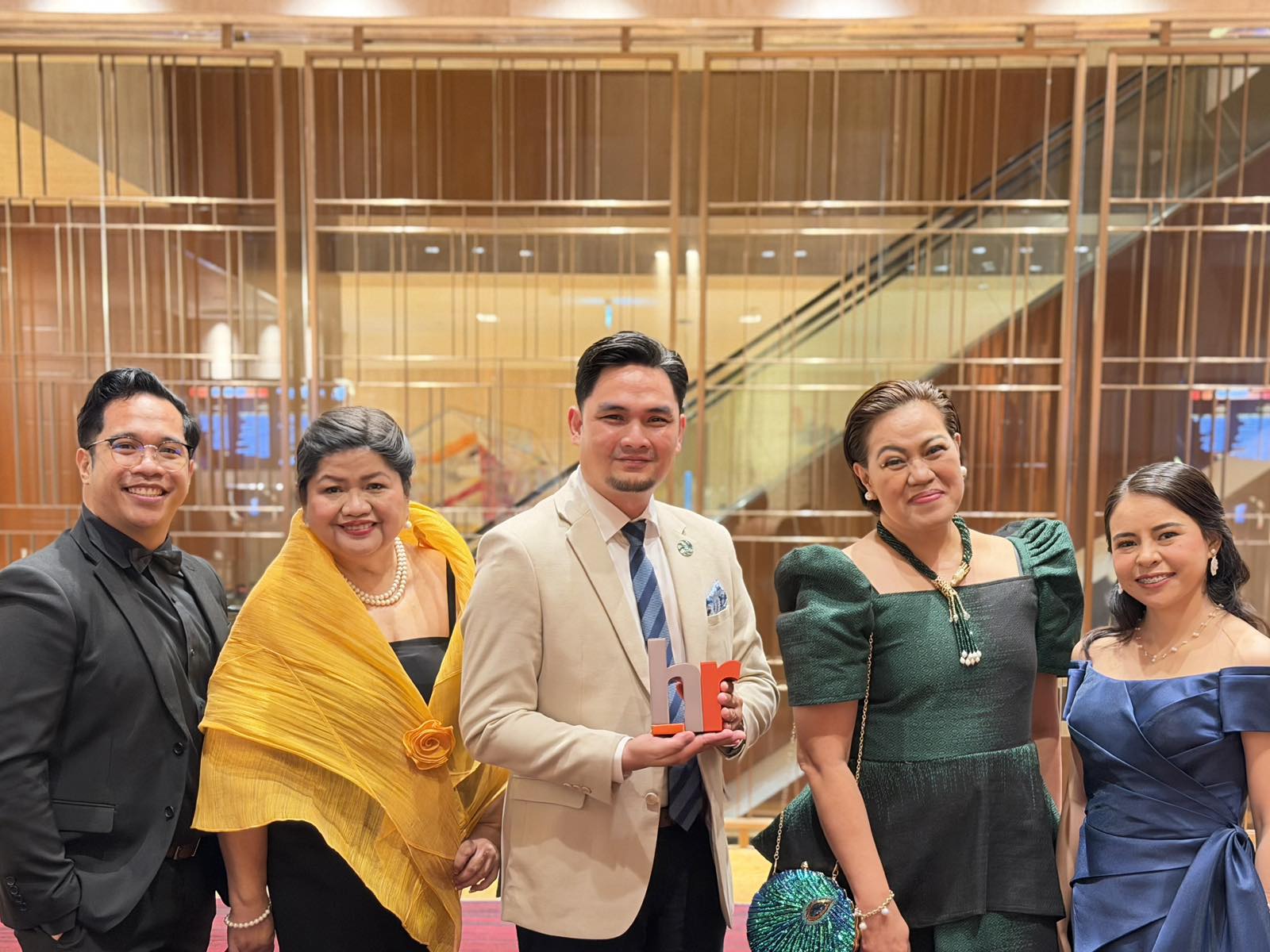
Photo Contribution from Bryan Michael Danta AMS was honoured with a Bronze Award at the 2026 Human Resources Excellence Awards Philippines under the Excellence in Employee Volunteerism category.
Practical Performance Management Pointers
- Create a psychologically safe environment with multiple avenues for dialogue, such as anonymous surveys, brown bag sessions, and open forums, so employees feel comfortable sharing concerns, feedback, and ideas.
- Deliver feedback privately and respectfully to preserve dignity while encouraging honest, constructive conversations about performance and development.
- Frame performance expectations as opportunities to demonstrate competence, reliability, and professional excellence, reinforcing pride in delivering high-quality work.
- Recognize achievements, quality work, and role-model behaviors to reinforce positive performance and encourage employees to maintain high standards.
- Encourage regular self-reflection and self-assessment to foster accountability, ownership, and continuous growth.
2. Stronger Together: How Pakikisama Fuels Collaboration and Performance
Pakikisama is a deeply rooted Filipino cultural value that emphasizes getting along with others, fostering harmonious relationships, and maintaining a sense of belonging within a group. Derived from the word sama, meaning “to be with” or “to accompany,” pakikisama reflects the importance Filipinos place on social connection, cooperation, and collective success. It encourages individuals to prioritize group cohesion, build trust, and strengthen interpersonal bonds, making it one of the most visible cultural influences in the Philippine workplace.
This value is evident in many aspects of Filipino culture, including the tradition of the boodle fight—a communal style of dining where food is laid out on banana leaves and everyone eats together without distinction of rank or status. More than a meal, the boodle fight symbolizes camaraderie, equality, teamwork, and shared experience. In much the same way, Filipino workplaces often thrive on strong communal relationships, with employees viewing colleagues as an extended community rather than simply co-workers. Success is frequently celebrated as a team achievement, and individuals are often willing to go beyond their formal responsibilities to support others and contribute to collective goals.
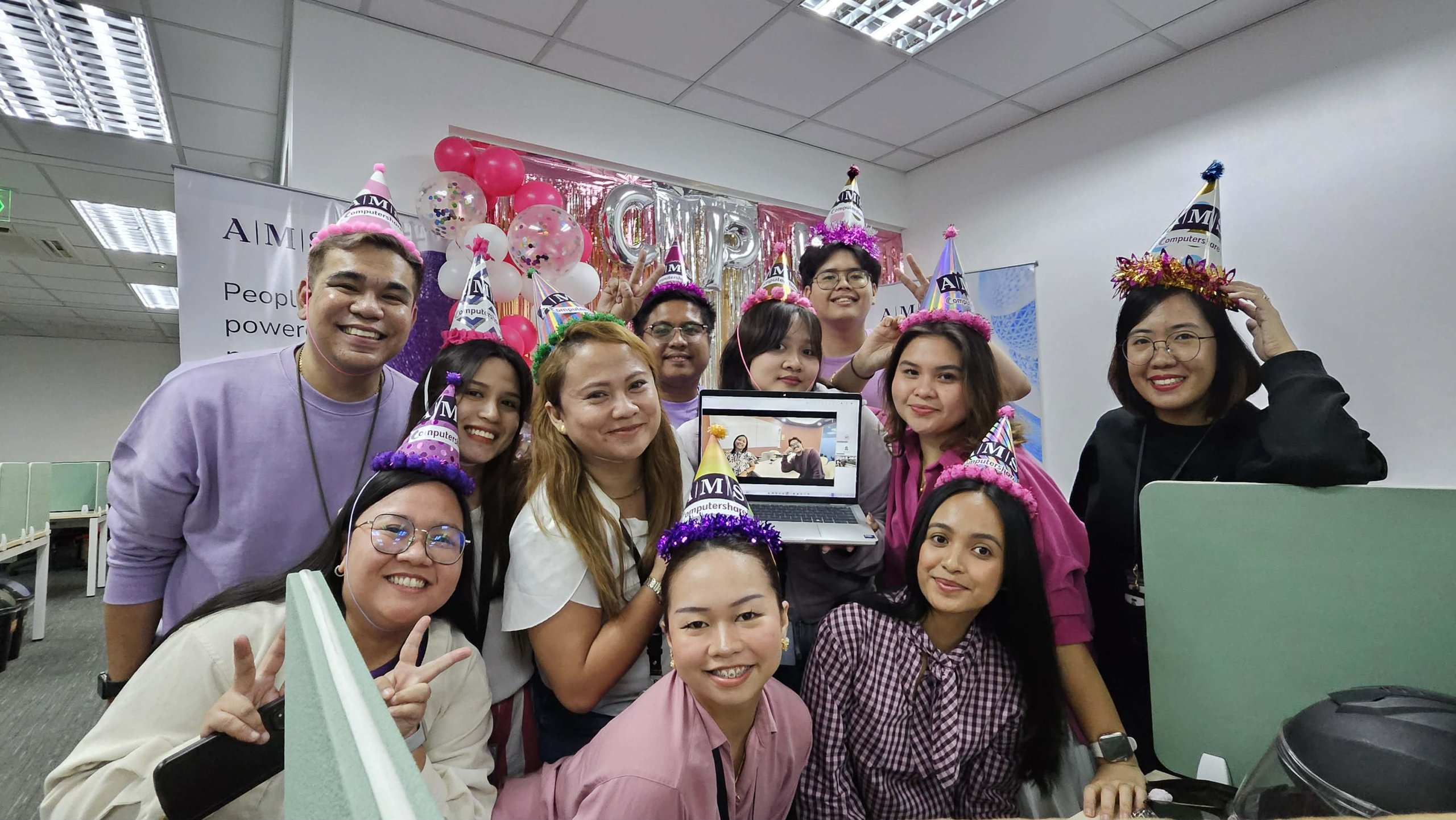
Photo Contribution from Florentino Sirilo. Celebration of go-live milestone for an AMS client where our Cebu team was joined by their Manila teammates virtually.
At its core, pakikisama fosters trust, collaboration, and shared accountability. Employees are motivated not only by personal success but also by the success of the team, strengthening relationships, building resilience, and supporting collective performance. This strong sense of connection often encourages individuals to go beyond their immediate responsibilities to support colleagues and contribute to shared goals.
However, pakikisama can also present challenges when organizations need candid feedback, constructive debate, and clear accountability. The desire to preserve harmony and avoid interpersonal tension may result in overly diplomatic feedback, reluctance to challenge ideas, or hesitation to address performance issues directly. While these behaviors can maintain short-term cohesion, they may limit opportunities for growth.
In some cases, an excessive emphasis on relationships can contribute to perceptions of favoritism, commonly associated with the padrino system. Derived from the Spanish word for “godfather” or patron, padrino refers to the use of personal connections or influence to gain opportunities, support, or favorable treatment. In the workplace, this may occur when relationships are perceived to carry greater weight than objective performance criteria in decisions involving promotions, recognition, project assignments, or resource allocation. Whether real or perceived, such practices can erode trust, weaken meritocracy, and create frustration among employees who expect fairness and transparency.
Ultimately, pakikisama is a cultural strength that can be a powerful enabler of organizational performance when balanced with accountability and objectivity. Organizations that value both relationships and results can foster environments where collaboration coexists with honest dialogue, and where employees feel connected to one another while remaining accountable for outcomes.
Practical Performance Management Pointers
- Create a shared sense of purpose by connecting individual goals to team and organizational outcomes, reinforcing that success is achieved through collective effort and collaboration.
- Promote team-building, knowledge sharing, and cross-functional collaboration to strengthen relationships, foster inclusion, and cultivate a strong sense of belonging.
- Recognize and reward behaviors that contribute to team success, encouraging employees to support one another while maintaining accountability for results.
- Ensure equal access to development opportunities, stretch assignments, and career growth regardless of personal connections, fostering a culture of fairness and meritocracy.
- Use measurable goals, clear success criteria, objective data, and multiple sources of feedback to ensure evaluations are fair, transparent, and based on performance rather than relationships or bias.
3. Philippine Hospitality and the Fiesta Mindset: Turning Warmth into Workplace Performance
Philippine hospitality extends beyond being welcoming and generous—it reflects a broader cultural trait that enables Filipinos to connect easily with people from different cultures. This ability to build rapport, adapt to diverse environments, and foster positive relationships contributes significantly to their success in multicultural workplaces and global organizations. In Filipino communities, hospitality is not limited to formal hosting; it is deeply embedded in everyday interactions, from offering food to visitors, making guests feel included, or going the extra mile to ensure others are comfortable. This connects closely with the Filipino fiesta mindset, which comes from the long-standing tradition of community celebrations honoring patron saints, harvests, milestones, and shared local identity. Fiestas are not only social events; they represent abundance, togetherness, generosity and pride. In many Filipino settings, the spirit of the fiesta reflects the belief that success is best experienced when it is shared.
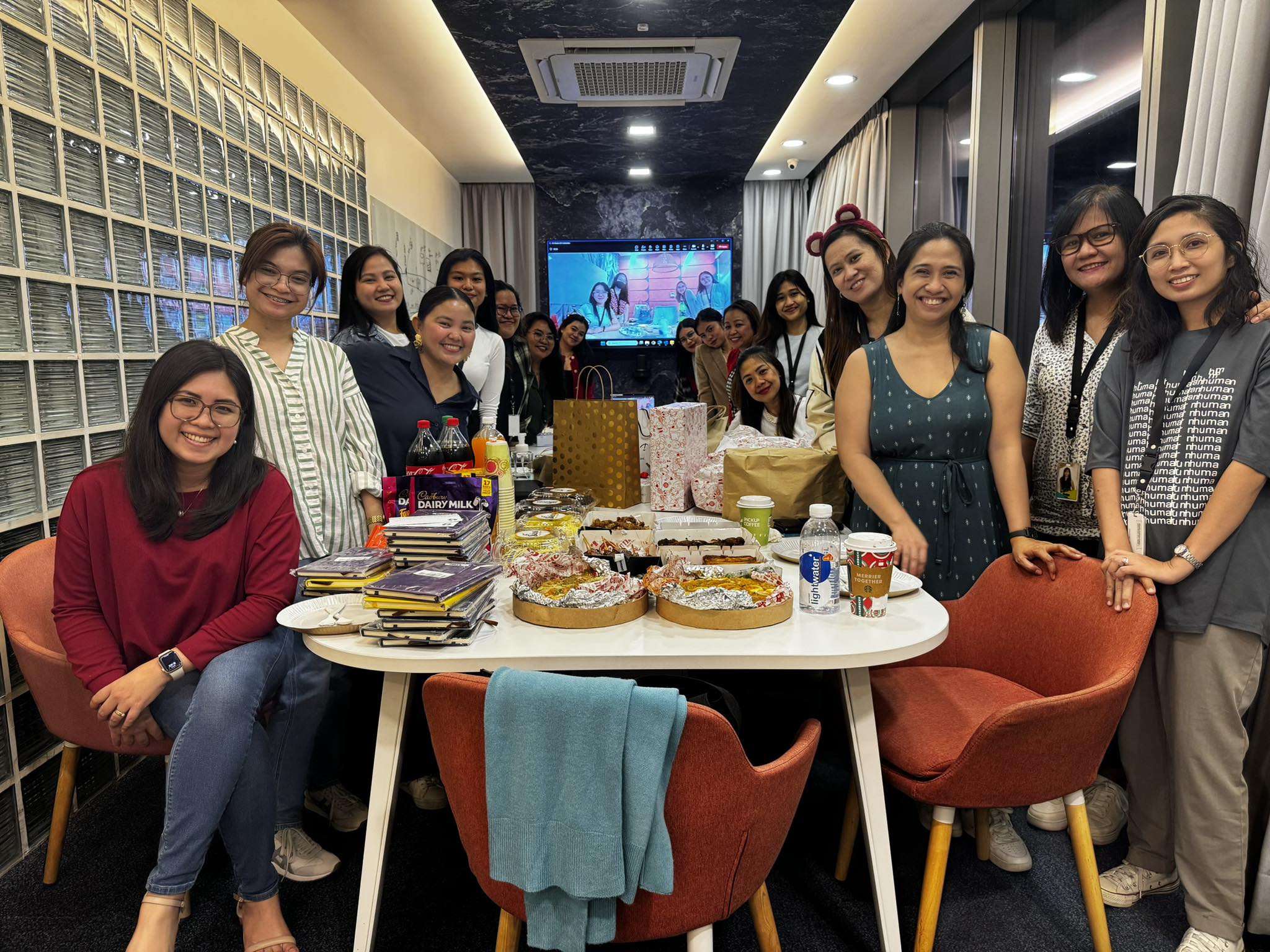
Photo Contribution from Adora Gadayan. Manila-based administration team celebrating 2025 Christmas at work, with exchanges of gifts.
In the workplace, this cultural nuance fosters a welcoming, people-centered environment where employees feel supported and connected. The hospitality mindset encourages inclusivity, while the fiesta mindset promotes recognition and shared achievement. When employees feel valued as part of a community, they are often more engaged, collaborative, and committed to team success.
This mindset can also strengthen client and stakeholder relationships. Filipino teams are often skilled at creating positive experiences through responsiveness, warmth, and service orientation. In performance-driven environments, this often translates into strong stakeholder relationships, excellent customer care, and a willingness to go above and beyond. When paired with recognition and a shared sense of purpose, Filipino hospitality and the fiesta mindset can become a powerful driver of engagement and performance.
However, this same cultural strength can create challenges if not balanced with accountability and boundaries. The desire to be accommodating may lead employees to overextend themselves, say yes too quickly, or take on additional work to avoid disappointing others. In some cases, teams may prioritize making people feel comfortable over having honest conversations about performance gaps, workload concerns, or missed expectations. The fiesta mindset may also unintentionally overemphasize celebration and togetherness while underplaying the need for difficult reflection, constructive feedback, or individual accountability.
There is also a risk that hospitality can blur professional boundaries. Over time, this can create a culture where issues are overlooked rather than addressed directly. While warmth and celebration are valuable, performance management still requires clarity, fairness, and discipline. The goal is not to reduce hospitality or the fiesta spirit, but to ensure that generosity, inclusion, and celebration are paired with clear expectations, honest feedback, and sustainable ways of working.
Practical Performance Management Pointers
- Foster strong workplace relationships through informal connections and meaningful team interactions, such as sharing a meal or coffee.
- Recognize teamwork, collaboration, and behaviors that contribute to a positive employee experience.
- Balance relationship-building with accountability for commitments, deadlines, and business outcomes.
- Encourage open conversations about priorities, capacity, and deadlines to prevent overcommitment and support sustainable performance.
- Promote healthy boundaries and workload management to reduce burnout from a constant willingness to help others.
The Philippines offers organizations a unique blend of world-class talent and a culture rooted in relationships, community, and resilience. While Filipino culture encompasses many nuances, including humor, optimism, adaptability, and resilience, this article focuses on hiya, pakikisama, and Filipino hospitality because of their significant, yet often less-discussed, influence on workplace interactions and performance management. Organizations that understand these cultural influences can create environments that balance accountability with trust, respect, and engagement.
So, is it really more fun in the Philippines? The answer goes beyond warm hospitality, vibrant celebrations, and welcoming smiles. The Philippines is a place where people bring heart to their work, where relationships matter, and where resilience and community create a strong foundation for success. When organizations understand and embrace these cultural strengths, they often discover that what makes the Philippines “more fun” also makes it a uniquely engaging, collaborative, and high-performing place to work. In the end, the strongest performance cultures are built not by choosing between people and performance, but by recognizing that, in the Philippines, the two are inseparable.
This article is the second chapter in our ongoing series examining how cultural nuances influence performance management around the world. Having explored India and now the Philippines, our journey continues as we uncover the unique cultural dynamics shaping workplace performance in Poland, Mexico, and the United States.
References
World Bank. (2025). Population, Total – Philippines. World Development Indicators. Available at: https://data.worldbank.org/indicator/SP.POP.TOTL?locations=PH [slideshare.net], [slideshare.net]
World Bank. (2025). Philippines Country Overview and Economic Indicators. Available at: https://data.worldbank.org/country/philippines [slideshare.net]
IT & Business Process Association of the Philippines (IBPAP). [blog.world…lights.com], [firsttimetravels.com]
Philippine Daily Inquirer. (2024). The $38.7 Billion BPO Industry: Filipino Workers’ English Skills Crucial to Success. [blog.world…lights.com], [outoftownblog.com]
Enriquez, V.G. (1992). From Colonial to Liberation Psychology: The Philippine Experience. University of the Philippines Press.
Lynch, F. (1970). Social Acceptance Reconsidered. In F. Lynch & A. de Guzman (Eds.), Four Readings on Philippine Values. [business.i…quirer.net]
Hollnsteiner, M.R. (1970). Reciprocity in Lowland Philippines. [business.i…quirer.net]
Lasquety-Reyes, J. (2016). In Defense of Hiya as a Filipino Virtue. [creathink-…utions.com]
Avila, A.B., et al. (2026). A Cultural Values Model of Pakikipag-ugnayan: Examining Hiya, Pakikisama, and Pakikipag-ugnayan among Filipino Generation Z Nurses. [vamasters.com]
Newport World Resorts. (2024). Boodle Fight: The Ultimate Filipino Kamayan Feast. [philippines123.com]
Villareal, M. (2023). Boodle Fight: A Filipino Feast of Camaraderie and Tradition. [yahoo.com]
Algarme, C. (2025). A Feast Like No Other: Experiencing the Boodle Fight in the Philippines. [ses-journal.com]
Agaton, S.I.G. (2024). The Padrino System in Philippine Politics and Society. [data.worldbank.org]
Global Informality Project. Padrino System (Philippines). [quizlet.com]
Wikipedia Contributors. Padrino System. [data.worldbank.org]