How candidates Are Redefining Talent Sourcing
The phone call is fading. And with it, many of the traditional tactics recruiters have relied on for decades. While talent acquisition teams are still leaving voicemails, the next generation of candidates, raised on real-time messaging, short-form video, and curated digital experiences, has moved on. They’re not picking up, and they’re not looking back.
Communication Has Changed, for Good
This isn’t just anecdotal. The data is clear. A recent Sky Mobile survey found that over a quarter of younger adults intentionally avoid answering phone calls. One in five say unsolicited calls actively cause anxiety.
At the same time, Gen Z now makes up nearly a third of the global workforce. They spend over 6 hours on their phones daily, but they’re not talking. Instead, they’re watching. eMarketer reports average daily screen time for this generation exceeds 9 hours, largely spent on video-first platforms like TikTok, Instagram, and YouTube.
Texting is their preferred mode of contact. Uswitch reports that 61% of adults aged 18–34 favour messaging because it gives them control. They can respond in their own time, after thinking it through. A cold call doesn’t offer the same courtesy.
Enter: Personalized Video Outreach
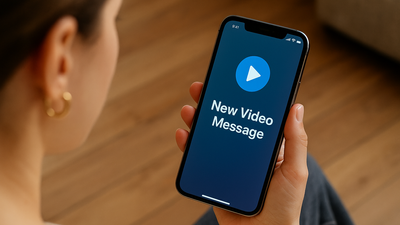
This shift has created a new opportunity for talent teams, personalized video outreach. Tools like Hinterview’s Hintro allow recruiters to create short, tailored video messages that feel human, relevant, and intentional. Subtitles, context overlays, and personalisation make each message feel less like a marketing blast and more like a conversation starter.
And it works. In fact, candidates are more than twice as likely to respond to personalized video outreach compared to plain text.
Here’s what we’ve seen firsthand at AMS in a piloted client in professional services:
- We noted a 57% response rate on reachouts
- Candidate feedback included:
- “I just wanted to come back and compliment that process. I think it was a really nice touch. It was very personable, not like a cold reach-out message”
- “I found the video brilliant and very engaging. I watched it all the way through, which is unusual for LinkedIn posts”
- Across multiple clients, sectors, and regions, we saw a 47% uplift in InMail acceptance.
- Time-to-shortlist dropped by 15%, thanks to improved first-time engagement.
Why Video Works
Video meets younger talent where they already are: in asynchronous, content-rich digital environments. It removes the pressure of real-time conversation, makes it easier to engage, and adds a layer of authenticity that text often lacks.
It also gives recruiters something invaluable, data. You can see how long someone watched, whether they re-watched, and what they clicked on next.
Done well, it builds a sense of connection early. Referencing a candidate’s GitHub repo, design portfolio, or blog post shows you’ve done your homework. In a world flooded with generic AI-generated outreach, video cuts through.
Where the Phone Still Fits
None of this means the phone is obsolete. In fact, a McKinsey study found that 70% of Gen Z prefer voice calls for sensitive or complex topics. The difference is when and how you use it. Save voice for offer discussions, detailed feedback, or tough conversations. Don’t use it as your opener.
Building a Video-First Sourcing Strategy
If you’re ready to shift to a video-first approach, here’s where to start:
- Pick the right platform – Choose tools that plug into your existing ATS, CRM, and LinkedIn workflows.
- Build repeatable frameworks – Keep intros and outros consistent, but personalise the middle.
- Set performance benchmarks – Track view rates, response rates, and time-to-fill. Aim for 65%+ watch rates and meaningful replies.
- Train your team – Teach recruiters how to tell stories on video, personalise content, and use data to refine their approach.
What to Do Next
Start small. Run a quick audit of your current outreach metrics, response rates, shortlist conversion, candidate satisfaction. Choose one job family or region to test video outreach. Then measure the impact.
Equip your team with tools, guidance, and the confidence to hit record. Most importantly, start building video performance into your hiring dashboards. What gets measured gets improved.
Final Word
The phone still has a place. But it no longer sets the pace. For modern recruitment teams, a video-first strategy isn’t a nice-to-have, it’s essential.
It drives better engagement, creates stronger candidate relationships, and helps you hire faster. Most importantly, it speaks the language of a generation that expects more from the brands, and employers they engage with.
The future of sourcing doesn’t dial in. It hits record.