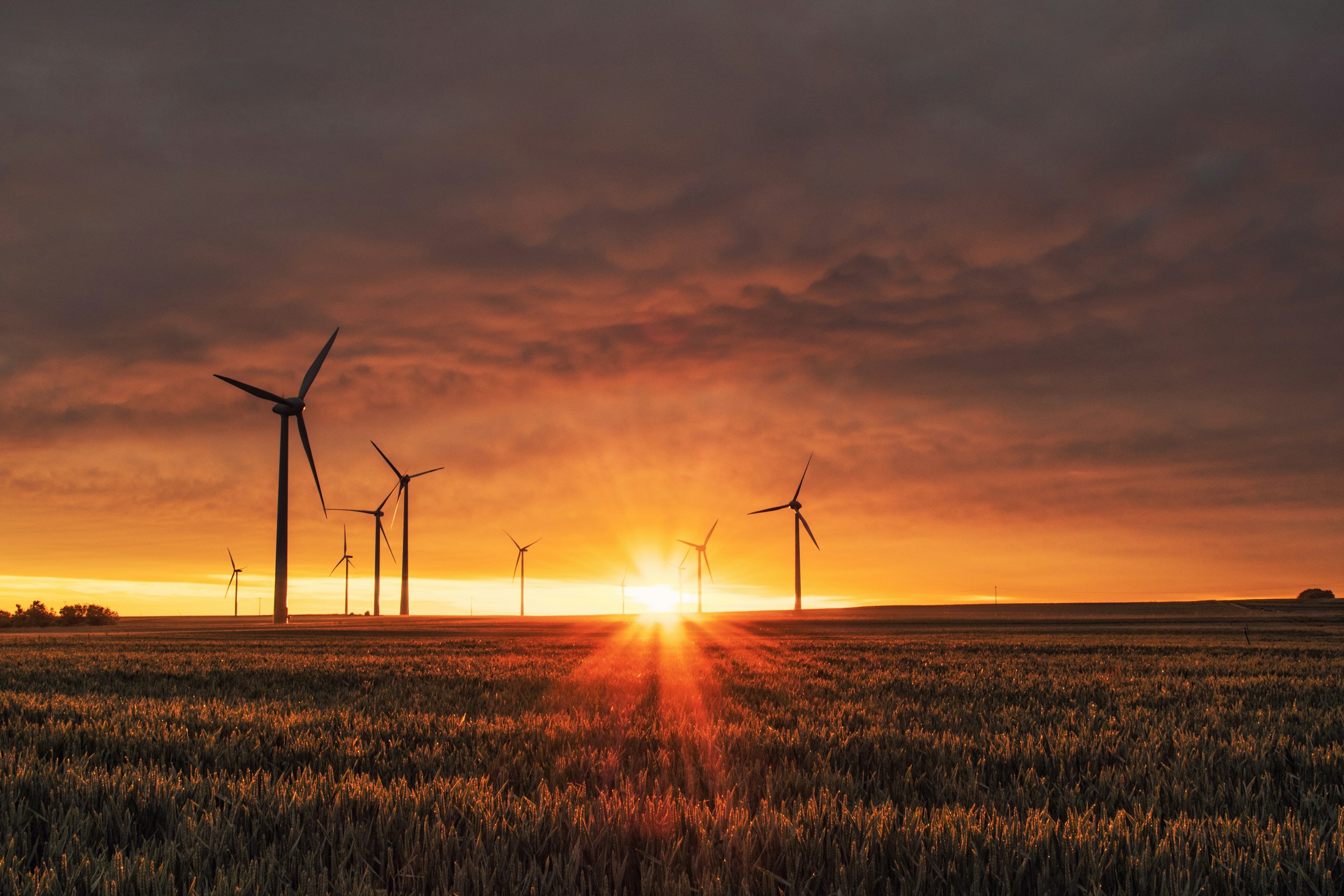
For the first time in history, solar and wind have overtaken fossil fuels in the European Union’s electricity mix (Source: Ember European Electricity Review 2026 ) – a milestone that signals far more than a change in power generation. It represents a structural shift in how Europe invests, operates, and competes in the global energy economy. And for the companies powering this transition, the implications for talent, workforce models, and organizational capability are profound.
A tipping point, with workforce consequences
Europe’s shift to renewables is accelerating demand for new types of roles while reducing demand for others. Solar installation boomed to a record 865,000 jobs in 2024 and is now stabilizing as the market matures, while wind is projected to grow from roughly 442,800 jobs in 2024 to over 600,000 by 2030, with acute shortages emerging in critical technical roles such as blade technicians and field engineers.
Meanwhile, insights from our recently published Energy, Engineering & Industrials Sector Landscape – 2025 report point to a looming 10‑year scramble for skilled workers, driven by the rapid scale‑up of renewable infrastructure and heightened competition for talent across sectors. This is not a slow-moving trend – energy companies are already restructuring, retraining, and rethinking their workforce strategies in response.
What this means for skills: A new talent map emerges
Europe’s renewable surge is redefining what “energy skills” mean. AMS research and insights are uncovering several consistent themes:
1 – Renewables Require More Specialized Technical Talent
Wind and solar expansion demand roles that barely existed a decade ago—asset‑performance analysts, grid‑integration engineers, battery‑storage specialists, and digital‑first operations teams. What were previously seen as emerging jobs in 2020, are now becoming standard in 2026, requiring entirely new skills pipelines and fast‑evolving hiring strategies
2 – Blue‑Collar Roles Are Becoming Highly Skilled Roles
Traditional blue-collar positions (installers, technicians, maintenance workers) now require advanced digital, safety, and systems‑integration competencies. The renewable build‑out, and the operational technology (OT) and information technology (IT) convergence mean technologies are evolving faster than workforce training cycles.
3 – Digitalization Is Now Core to Energy Work
Digitalization is absolutely critical. As grids grow exponentially and become smarter (as an example, see how Siemens Energy are digitalizing the grid here), renewable assets multiply, companies need data‑literate talent who can optimize systems, predict failures, automate processes, and model future scenarios at scale.
This shift means digital talent is now as important as engineering talent in the energy sector.
4 – The Competition for Talent Is Intensifying Across Industries
Findings from the Energy, Engineering & Industrials Sector Landscape – 2025 report reveal significant cross‑sector talent pull, from technology, construction, aerospace, and automotive – further exacerbating talent shortages. Companies that once competed only with other energy firms are now competing with global multinationals for the same skill sets.
The rising pressure on energy companies
The energy companies that thrive through Europe’s renewable tipping point will be those that adapt fastest. Key pressures emerging include:
1 – Workforce Shortages Threatening Project Delivery
Wind‑sector shortages, particularly in offshore roles, already pose risks to build‑out timelines. At the same time, cost pressures and competition, such as major developers reducing headcount to remain competitive in the highly volatile geopolitical environment, complicate workforce planning even further.
2 – Purpose‑Led Employer Branding Is Now Non‑Negotiable
Energy firms (especially those that have a broad portfolio of assets and those that are transitioning from fossil fuels) must offer purpose‑driven careers to attract the next generation of talent. Sustainability storytelling, green‑skills development, and visible commitments to net‑zero emerged as key differentiators a while ago now, and these factors will act as talent magnets in the years to come.
3 – New Workforce Models Will Define Competitiveness
Flexible RPO models, mobile‑first talent attraction, and skills‑based hiring appear prominently in the energy sector. The renewable era demands agility, and companies need to tap into global talent pools, accelerate training pathways, and redesign organizational structures to meet fluctuating project cycles.
4 – Policy and Grid Investments Shift Workforce Priorities
Europe’s energy system is no longer constrained by just generation capacity but also by grid capability. This is reshaping job demand: grid engineers, system modelers, and interconnection specialists are now critical roles. With expected growth in global electricity demand by 2035 to be 40% (Source: IEA World Energy Outlook 2025) and 50% of assets needing to be replaced by 2040 (Source: IEA Building the Future Transmission Grid) hypergrowth is being seen in the likes of Iberdrola, Siemens Energy, GE Vernova and other major players in the Energy Sector for grid infrastructure-related roles.
The opportunity: A once‑in‑a‑generation workforce transformation
The fact that wind and solar have now overtaken fossil fuels in the EU’s electricity mix is more than a headline. It is a catalyst for one of the most significant workforce transformations since the industrial revolution. For energy companies, the opportunity is enormous:
- Build future‑ready workforces with sustainable, high‑value skills
- Position themselves as employers of choice in a purpose‑driven economy
- Leverage digital and data‑enabled capabilities to gain competitive advantage
- Reshape organizational identity, from traditional energy producers to modern, net‑zero‑aligned innovators
AMS is deeply engaged in supporting clients across this shift, through market intelligence, skills analysis, sustainability capability building, and talent‑strategy design.
We look forward to the challenges ahead in helping support our clients deliver the right balance between a reliable supply of energy (security), cost-effective access to energy (affordability) and transitioning to low carbon solutions (sustainability).